
3.4 Software
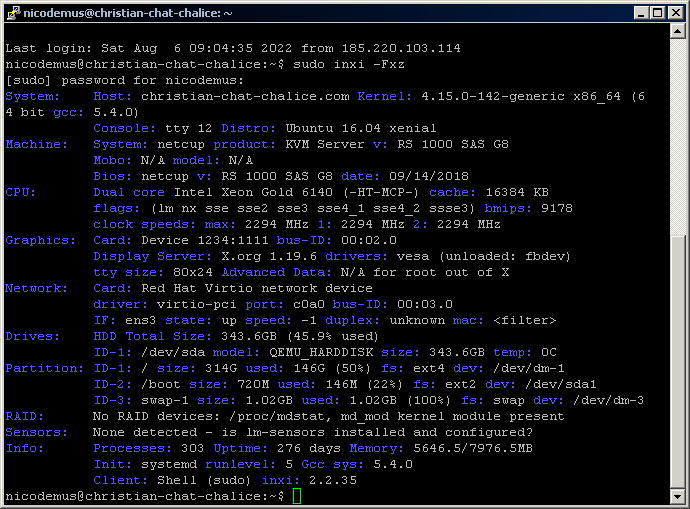
1. Linux Ubuntu 16.04 LTS (Xenial Xerus)
Ubuntu, also known as Ubuntu Linux, is a GNU/Linux distribution based on Debian. The name Ubuntu means roughly “humanity” in Zulu and refers to an African philosophy. The developers aim to create an easy-to-install and user-friendly operating system with integrated software. The project is sponsored by the software company Canonical, founded by South African entrepreneur Mark Shuttleworth. Version 16.04 was released on April 21, 2016, under the name Xenial Xerus (English: hospitable ground squirrel).
Official WebsiteUbuntu Wikipedia
Ubuntu Version Overview Wikipedia
Download Manual
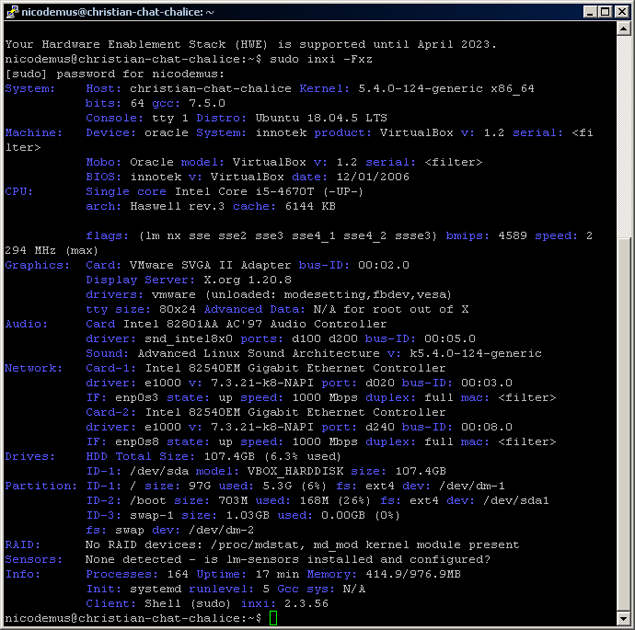
2. Linux Ubuntu 18.04 LTS (Bionic Beaver)
Version 18.04 was released on April 27, 2018, and is called Bionic Beaver. Being an LTS (Long Term Support) version, it is supported until 2023 for home users and until 2028 for professional users under the Extended Security Maintenance (ESM) plan. This version includes a new text-based installer for the server edition and a “Minimal Installation” option in the desktop installer, installing only essential tools. For stability reasons, the X-Server is used by default, but Wayland is still included and can be used instead of X-Server. The first update, 18.04.1, appeared on July 26, 2018, and the second update, 18.04.2, on February 15, 2019.
Official WebsiteUbuntu Version Overview Wikipedia
Download Manual
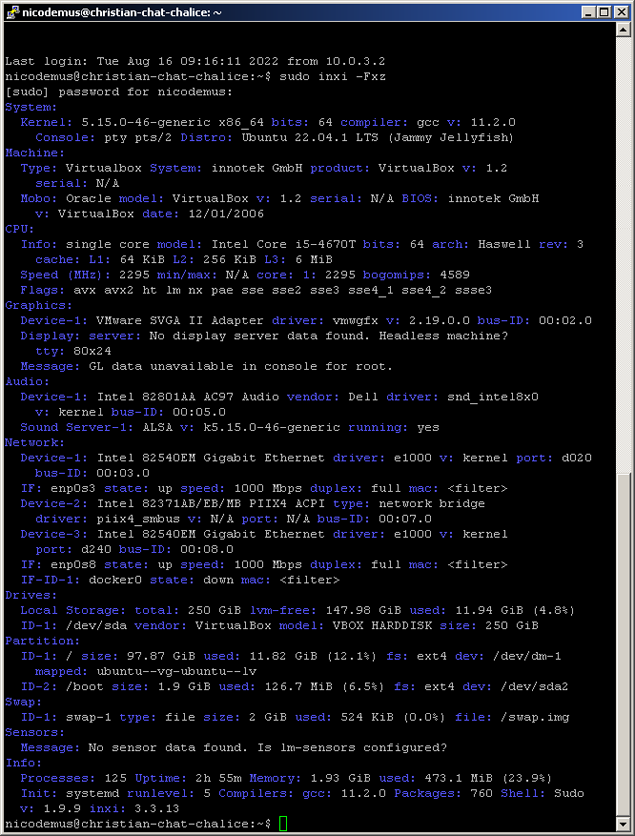
3. Linux Ubuntu 22.04.1 LTS Server (Jammy Jellyfish)
The Ubuntu Server Edition provides more server services instead of a graphical user interface. Prior to version 12.04, the server edition used a different kernel than standard Ubuntu, which had two years less Long Term Support. Since then, minimal installations of both editions result in the same system, which can be extended with all features from either edition.
Official WebsiteUbuntu Server Wikipedia
Download Manual
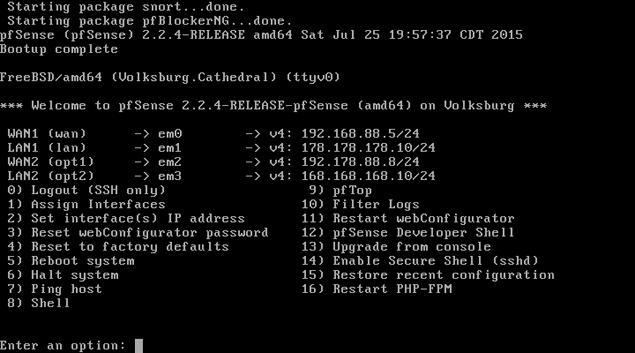
4. pfSense 2.2.4
pfSense is an open-source security solution with a custom kernel based on FreeBSD OS. Here are some features of this comprehensive distribution:
- Firewall - IP / Port filtering, connection limiting, Layer-X capable, scrubbing
- State Table - All rules are stateful by default; multiple configurations available for state handling
- Server Load Balancing - Built-in LB for distributing load across multiple backend servers
- NAT - Network Address Translation, port forwarding, reflection
- HA - High Availability, failover to secondary if primary fails
- Multi-WAN - Allows use of multiple Internet connections
- VPN - Virtual private network, supports IPSec and OpenVPN
- Reporting - Stores information about resource usage
- Network Performance - Real-time monitoring
- Dynamic DNS - Multiple DNS clients simultaneously
- DHCP & Relay - Supported
- Security - a stunner, snort, tinc, nmap, arpwatch
- Network Performance - iftop, ntopng, softflowd, urlsnarf, darkstat, mailreport
- Networking - netio, nut, Avahi
- Routing - frr, olsrd, routed, OpenBGPD
- Services - iperf, widentd, syslog-ng, bind, acme, imspector, git, dns-server
pfSense Wikipedia
Download Manual
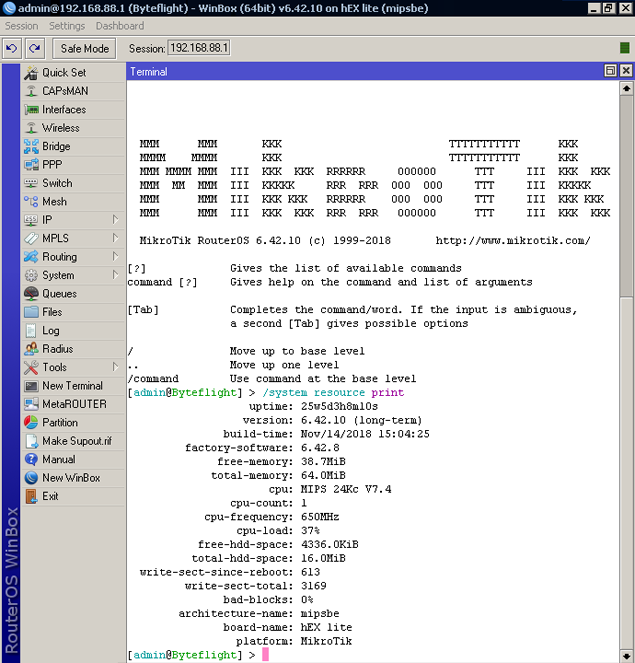
5. RouterOS
RouterOS is a Linux kernel-based operating system, preinstalled on MikroTik hardware. It can also be installed on standard x86 computers to function as a router. Features include an integrated firewall, QoS, DNS and DHCP servers, Layer7 filtering, RIP, OSPF, BGP, MPLS, VRRP, multiple VPN servers/clients, Hotspot functionality with Radius, and a WLAN controller named "CAPsMAN" for managing multiple access points.
Official WebsiteRouterOS Wikipedia
Download Manual
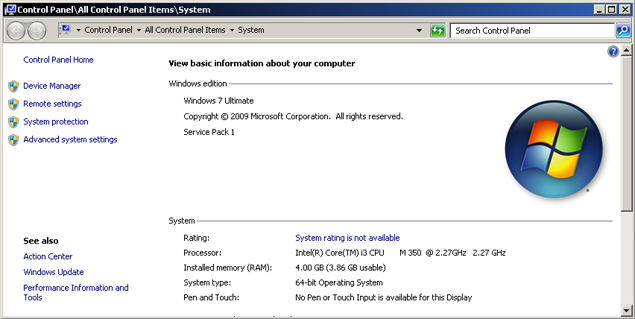
6. Microsoft Windows 7 Ultimate
Microsoft Windows 7 is an operating system from the US company Microsoft. Released on October 22, 2009, it is the successor to Windows Vista. Windows 7 Ultimate includes all features of other editions and is aimed at small business users who use their PC privately and professionally, as well as home users who operate their PC in both home and corporate networks. Ultimate additionally offers BitLocker disk encryption and support for mounting virtual hard disks (VHD). It also allows the user to change the system language at any time.
Official WebsiteWindows 7 Wikipedia
Windows 7 Ultimate Wikipedia
Download Manual
7. iptables
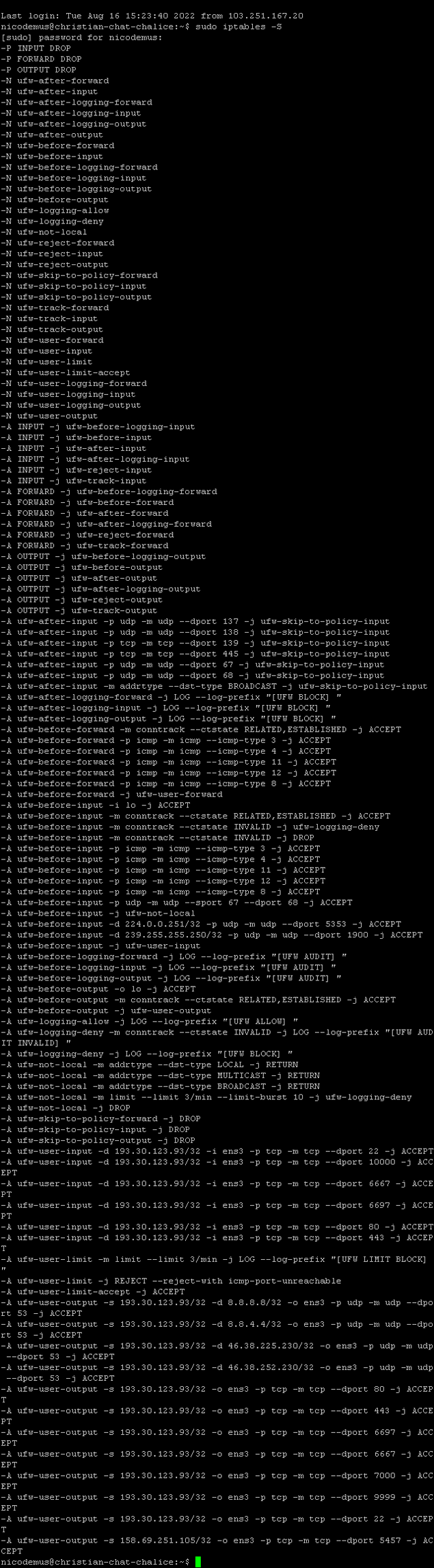
iptables is a userspace program used to configure tables provided by the Linux kernel firewall (consisting of a set of Netfilter modules). These tables contain chains and rules. Different programs are currently used for different protocols; iptables is limited to IPv4, for IPv6 there is ip6tables, for ARP there is arptables, and ebtables handles Ethernet frames.
Official Websiteiptables Wikipedia
Online Manual
8. Webmin
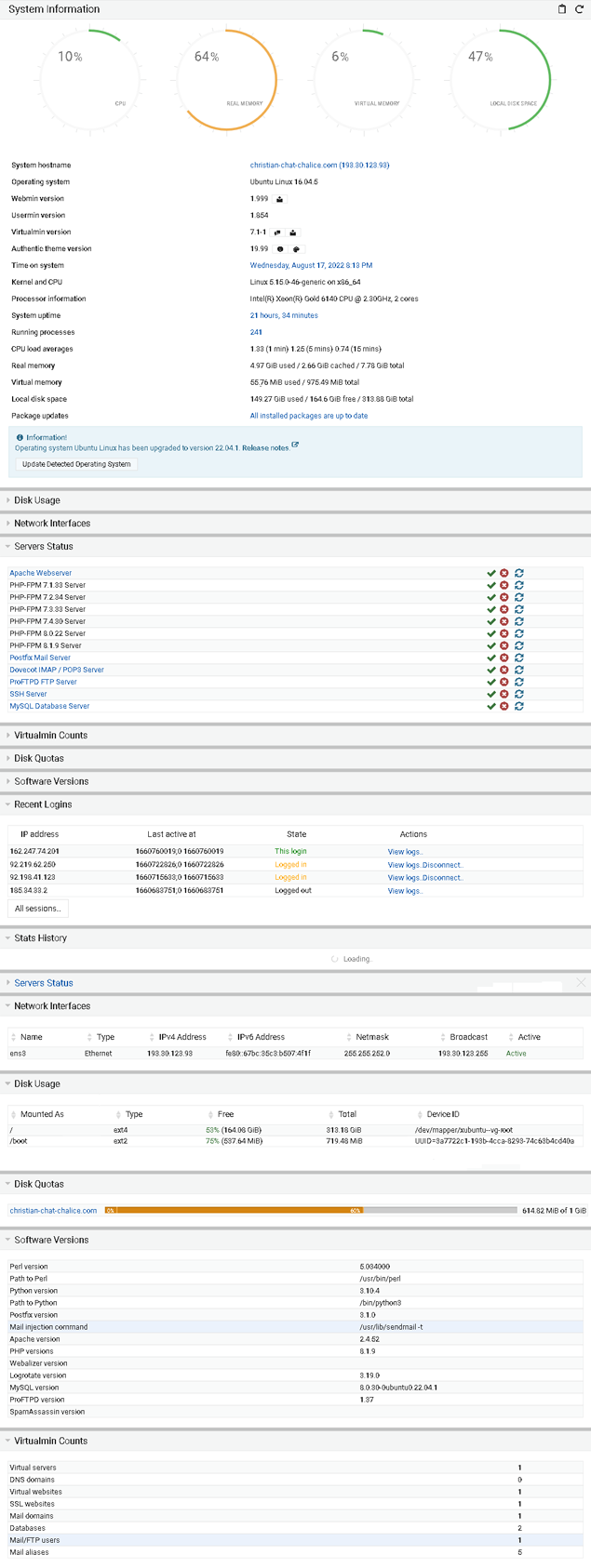
Webmin (from "Web Administration") is a free software package for remote management of Unix-like systems.
Official WebsiteWebmin Wikipedia
Basic Online Manual
9. InspIRCd
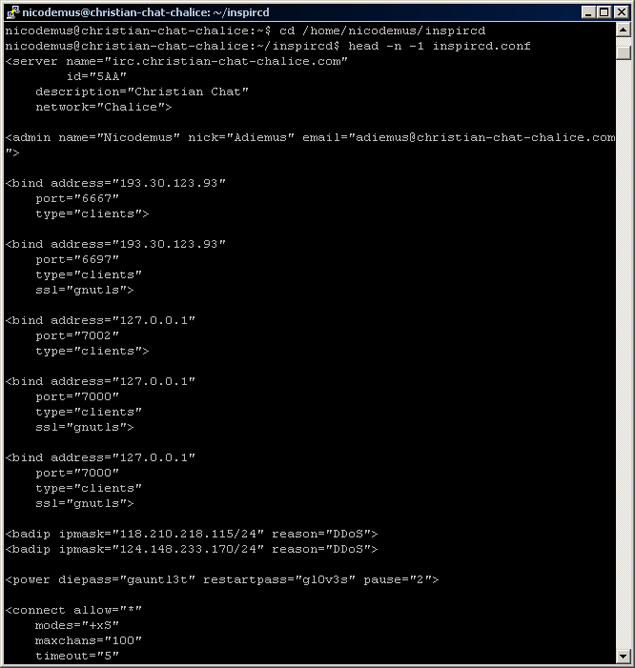
InspIRCd is an open-source IRC daemon that can be extensively customized. According to SearchIRC, it is the second most used IRC daemon after 4 UnrealIRCd versions. InspIRCd is written in C++ and was originally created for the ChatSpike network.
Official WebsiteGithub Online
InspIRCd Wikipedia
Online Manual
10. Atheme
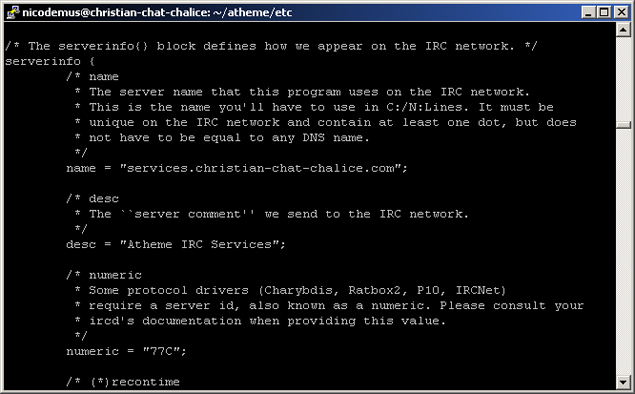
Atheme is a suite of IRC services developed for large IRC networks requiring high scalability. It is a mature software whose code and design partially derive from another package called Shrike.
Official WebsiteGithub Online
Atheme Wikipedia
Online Manual
11. Eggdrop
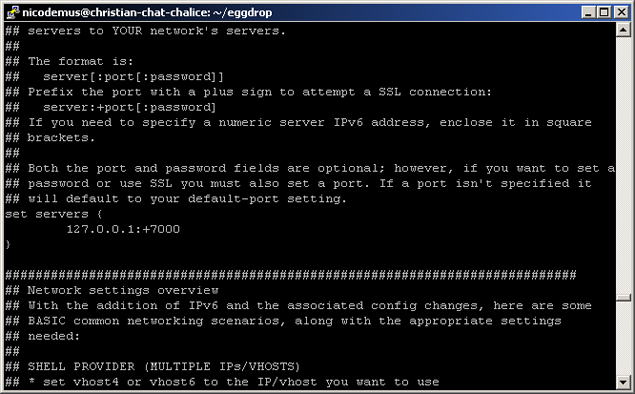
Eggdrop is one of the first IRC bots capable of keeping a channel open 24/7 and executing special functions on command. It is visible like any other user. Early versions were based on the Tcl scripting language, which still forms the basis of its scripting interface. The bot is now written in C and must be compiled separately for Linux and Windows.
Official WebsiteGithub Online
Eggdrop Wikipedia
Online Manual
12. Limnoria / Supybot
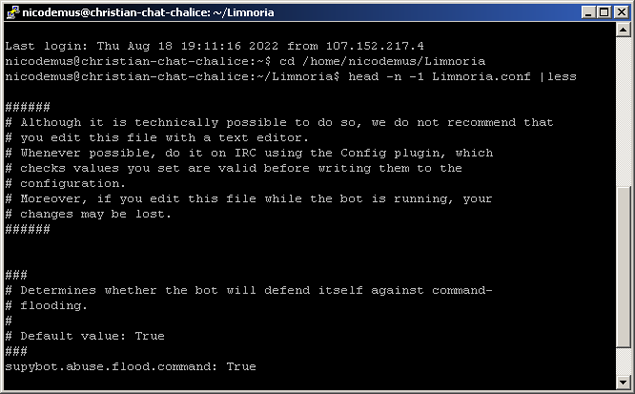
Limnoria (Supybot) is a Python multi-purpose IRC bot designed for flexibility and robustness, while being easy to install, configure, and maintain. It features a flexible ACL system to control command access, a powerful configuration system, and over 60 built-in plugins with roughly 400 current commands. Many third-party plugins exist and can be created with basic Python knowledge.
Github OnlineOnline Manual
13. Logos
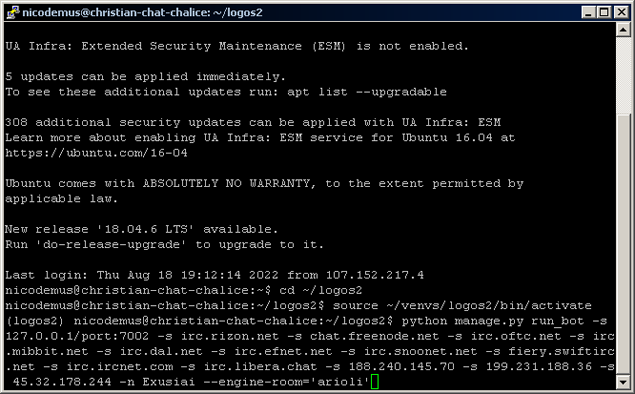
Logos-V2 is a Django/Twisted/Python IRC bot that provides a virtual library within an IRC channel.
Official WebsiteGithub Online
Online Manual
14. WeeChat
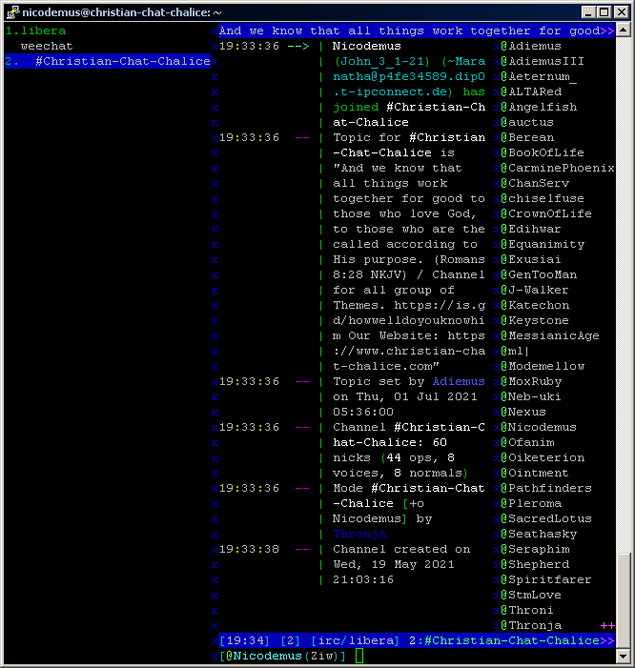
WeeChat (Wee Enhanced Environment for Chat) is a free IRC client without a graphical interface, using a curses-based text interface instead. Its modular design allows extension via scripts and numerous plugins.
- Modular: lightweight core with optional extensions
- Multi-protocol: mainly IRC
- Load Balancing: server distribution support
- Multi-platform: Linux, Unix, BSD, GNU Hurd, Haiku, macOS, Windows (WSL, Cygwin)
- Extendable: via C, Python, Perl, Ruby, Lua, Tcl, Scheme, Javascript, PHP
- Fully documented and translated: multiple languages
- Free Software: GPL v3 license
- Active Project: large scripting community
WeeChat Wikipedia
Online Manual
15. Clonezilla
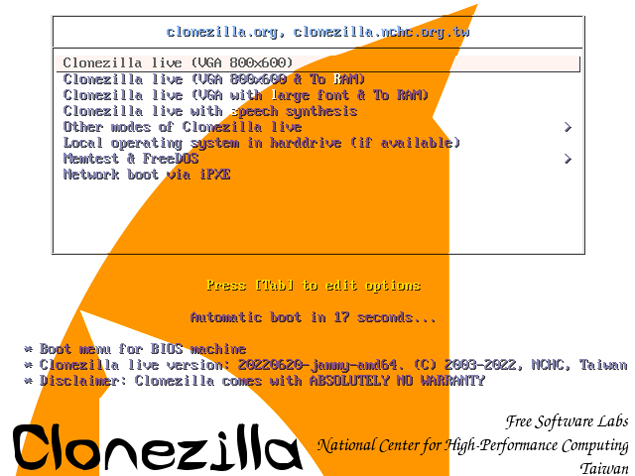
Clonezilla is free software from the National Center for High Performance Computing (NCHC) in Taiwan, used for creating 1:1 images of PC hard drives.
Official WebsiteClonezilla Wikipedia
Online Manual
16. MySQL
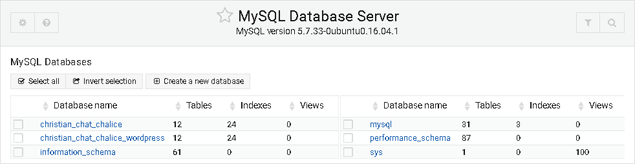
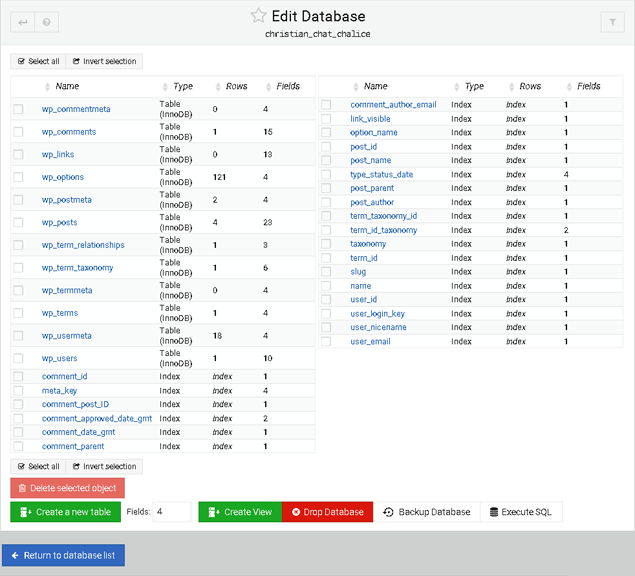
MySQL is one of the most widely used relational database management systems in the world. It is available both as open-source software and as a commercial enterprise version for various operating systems, forming the backbone of many dynamic websites.
Official WebsiteMySQL Wikipedia
Online Manual
17. Apache HTTP Server
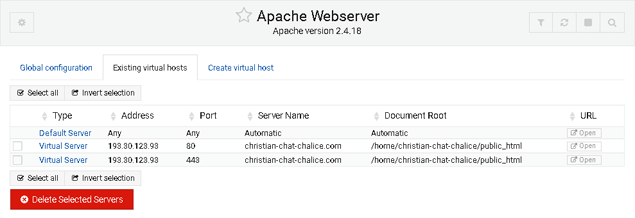
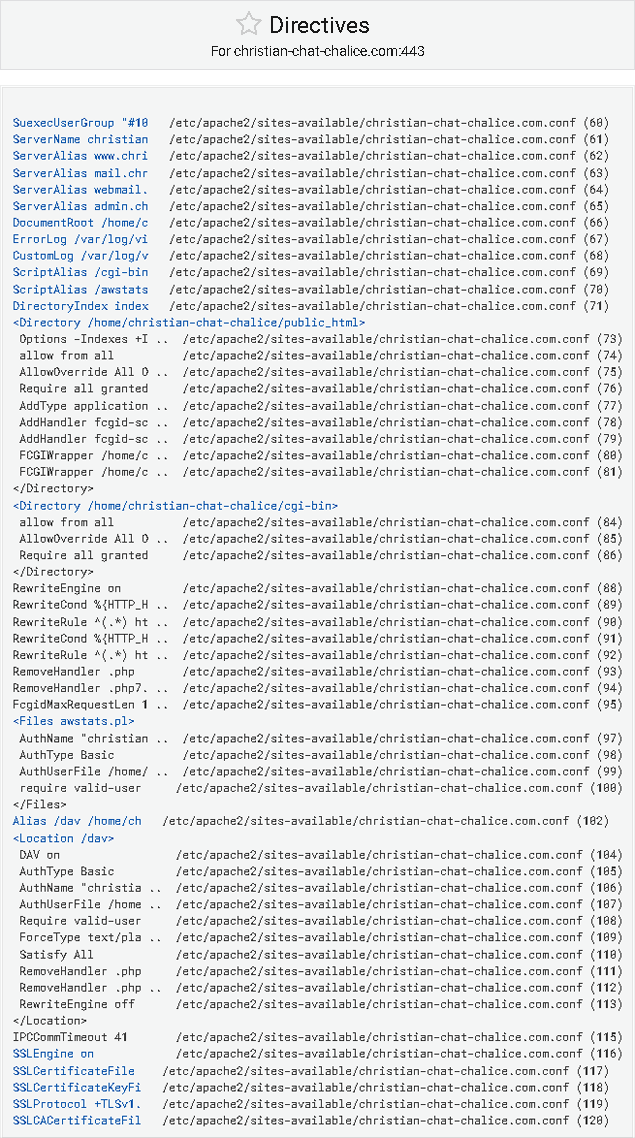
The Apache HTTP Server is an open-source and free product of the Apache Software Foundation, and one of the most widely used web servers on the Internet.
Official WebsiteApache Wikipedia
Online Manual
18. WordPress
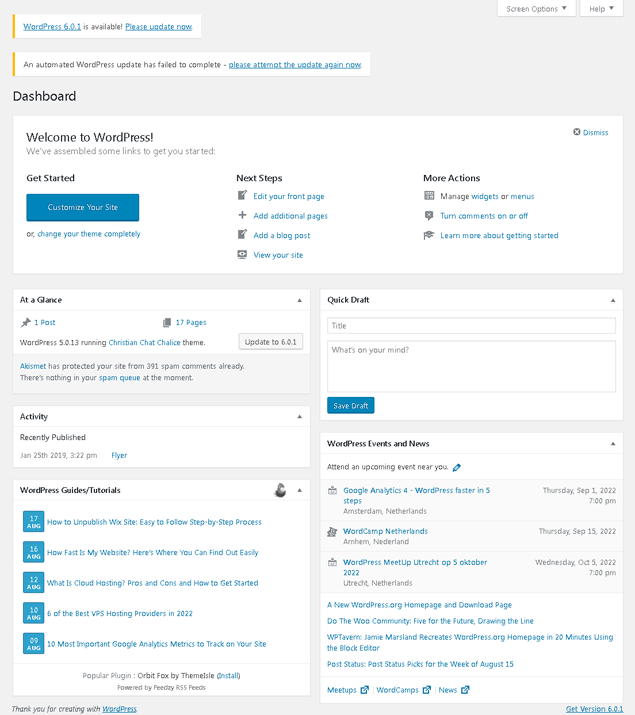
WordPress is a free content management system (CMS). It has been developed since 2003 as software for weblogs and continues to be developed as an open-source project. WordPress is used by over 40% of websites with a known CMS, making it the most widely used system. About one-third of the top one million websites use WordPress.
Official WebsiteWordPress Wikipedia
Online Manual
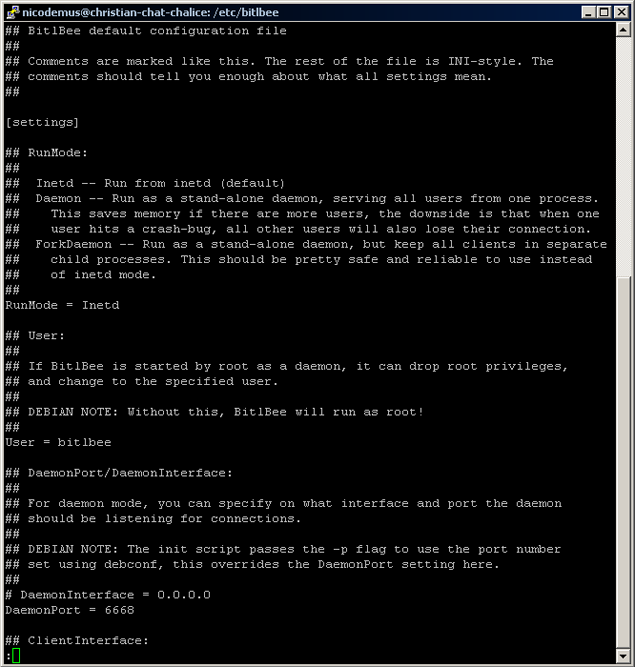
19. BitlBee
BitlBee is an instant messaging client. Unlike traditional clients, BitlBee acts as a network gateway, presenting itself to the user as an IRC server.
Official WebsiteBitlBee Wikipedia
Online Manual
20. C/C++, Python 2 + 3, TCL, PHP, Perl
Programming languages.
C++ WikipediaPython Wikipedia
TCL Wikipedia
PHP Wikipedia
Perl Wikipedia

